27 Feb 2026
Post by Sierra
Modern households depend on electricity in ways that extend far beyond simple lighting and convenience. Heating and cooling, food preservation, communication, entertainment, and remote work all require stable and uninterrupted power. Even short disruptions can introduce discomfort, lost productivity, and unexpected costs that ripple through daily routines. Traditional views often frame backup systems as emergency-only equipment, yet this perspective overlooks their broader lifestyle advantages. Whole-home solutions increasingly function as quiet enablers of comfort and reliability rather than reactive safeguards. In this article, the practical ways whole-home backup enhances everyday living, stabilizes household experiences, and reduces common frustrations are explored.
1. Everyday Comfort, Rain or Shine
Run AC, Heat, and Appliances Without Thinking
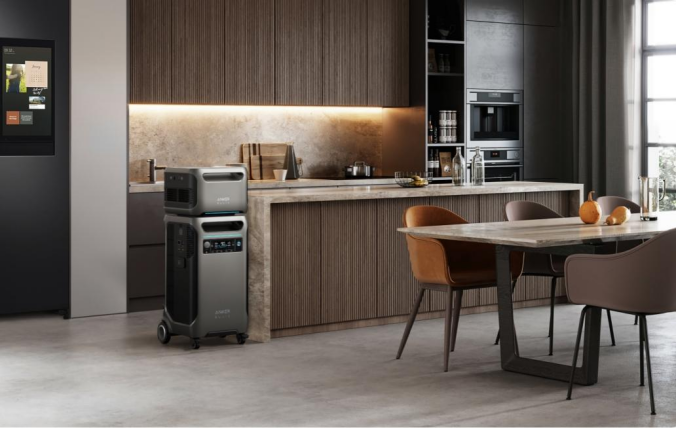
Consistent indoor comfort remains one of the most valued aspects of modern living. Temperature control systems, kitchen appliances, and essential electronics work together to maintain predictable daily environments. Power interruptions, however brief, can disturb this balance and create immediate inconvenience. Whole-home backup systems help sustain these functions without requiring constant monitoring or manual intervention. Climate control, refrigeration, and lighting continue operating, preserving routine stability. Over time, reliable backup power supports a home environment that feels unaffected by external electrical variability.
No More Choosing Which Room Gets Power
Partial backup setups often force households into uncomfortable compromises. Extension cords, limited outlets, and circuit constraints may require selective appliance usage. Such scenarios introduce both logistical challenges and daily frustration, particularly during extended outages. Whole-home backup configurations remove this decision-making burden by maintaining broader circuit coverage. Essential rooms and devices remain functional simultaneously, reflecting normal household patterns. This continuity reduces stress while improving overall comfort. The home retains its intended functionality rather than shifting into a restricted operating mode.
2. Seamless Living During Outages
Lights Stay On, Wi-Fi Stays Up
Power disruptions affect more than illumination, often interrupting connectivity and communication. Routers, modems, and network equipment immediately shut down without electricity, severing access to information and digital services. Whole-home backup systems help preserve these critical functions alongside lighting. The ability to maintain internet access supports work, education, and coordination during unexpected events. Homes equipped with home battery backup technologies experience fewer abrupt transitions. Stability in both visibility and connectivity significantly improves the lived experience of outages.
Life Continues Exactly As Normal
Psychological comfort plays an important role in how households perceive disruptions. Sudden darkness, silent appliances, and inactive devices can produce disproportionate stress. Backup systems designed for seamless transitions minimize these effects, preserving the rhythm of daily activities. Cooking, charging devices, and maintaining indoor comfort proceed without dramatic interruption. This continuity proves particularly valuable during nighttime or extreme weather conditions. Reliable energy access transforms outages from disruptive events into manageable background incidents.
3. Freedom to Use Energy Your Way
Pair With Solar for Guilt-Free Power
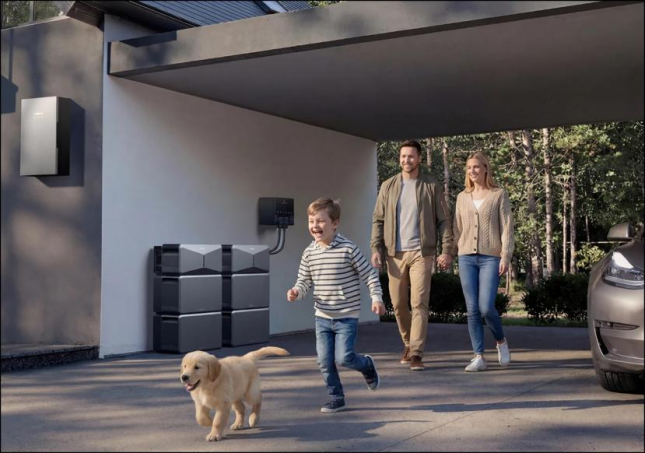
Solar integration introduces a new dimension of flexibility and independence to household energy systems. Stored solar energy can support daily usage while also replenishing reserves during outages. This arrangement reduces dependence on external supply and improves long-term resilience. Systems combining battery storage with intelligent management enhance both efficiency and usability. For example, solutions like the Anker SOLIX E10 illustrate how integrated designs coordinate stored energy and circuit priorities, and configurations capable of delivering roughly 10 kW of peak output for short durations can sustain demanding appliances when necessary. Pairing backup with solar shifts electricity from a purely consumptive resource to a partially self-managed one. Over time, this capability supports both practical reliability and greater energy confidence.
Run the House Without Watching the Clock
Energy limitations often shape behavior during outages, forcing households to track usage carefully. Concerns about runtime may lead to reduced appliance operation or deferred activities. Whole-home solar battery backup systems with adequate capacity ease these constraints, allowing routines to proceed more naturally. Lighting, refrigeration, and essential electronics operate without constant calculation. This freedom improves both comfort and productivity under uncertain conditions. The household experience more closely resembles normal grid-powered living. Reduced vigilance contributes to lower stress and greater convenience.
4. A Home That Always Feels Like Home
Comfort, Safety, and Connection 24/7
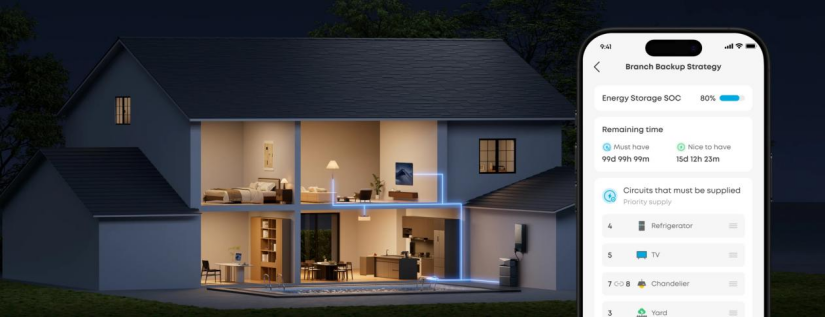
Residential comfort encompasses more than temperature and lighting alone. Security systems, communication tools, and essential devices collectively support safety and well-being. Backup power sustains these interconnected elements, preserving normal functionality regardless of grid conditions. Continuous operation enhances both physical and psychological security. Homes remain illuminated, connected, and operational during unexpected disruptions. Reliable electricity becomes an invisible contributor to stability. Over time, resilience integrates naturally into the household environment.
Backup Becomes Invisible—Until You Need It
One of the most appealing characteristics of modern backup solutions is their unobtrusive operation. Automated charging, intelligent monitoring, and silent performance reduce the need for manual oversight. Under normal conditions, the system remains largely unnoticed, functioning quietly in the background. During outages, however, its value becomes immediately evident through uninterrupted service. This duality enhances long-term satisfaction by combining readiness with convenience. Reliable systems contribute to household confidence without demanding constant attention.
Conclusion
Whole-home backup systems increasingly represent lifestyle enhancements rather than purely emergency provisions. By sustaining comfort, connectivity, and essential functions, these solutions reduce common household disruptions and frustrations. Modern home battery backup technologies offer quieter operation, broader coverage, and greater usability than many traditional alternatives. Their benefits extend into everyday routines, supporting stability even outside outage scenarios. As households grow more dependent on uninterrupted electricity, reliability and convenience gain importance. Whole-home backup, when thoughtfully implemented, becomes a practical investment in comfort, continuity, and peace of mind.